Best Complete Tower Construction For Private LTE/5G Networks: Vertical Axis
Our Tower Construction Partner For New Sites And Carrier-Grade Builds
A radio is only as good as the steel it’s bolted to. You can buy the best Nokia AZQC kit on the planet, the cleanest Baicells 436Q, the tightest backhaul plan, and still watch a deployment slip three months because the foundation cured wrong, the monopole was set out of plumb, or the antenna mount didn’t match the RF design. We’ve watched it happen on other people’s projects. We don’t let it happen on ours.
That’s why every new tower build, sector install, and structural modification we recommend is handled by Vertical Axis LLC.
When We Bring Vertical Axis In (And When We Don’t)
Let’s set expectations the way we did on our freight page. Vertical Axis is our construction partner, not a quick handyman call. If you’re swapping out a single sector radio at an existing site, or your in-house climbers can hang a CPE on an existing structure, you don’t need a tower crew showing up with a crane.
VA comes in for the work that has to be right the first time:
- New tower site builds from raw dirt to RF-ready
- Foundations and civil for monopoles, self-supports, and guyed structures
- Direct-embedment monopoles for fast-deploy edge sites
- Antenna and radio installation for full Nokia AZQC 3-sector CBRS kits and Baicells deployments
- Microwave backhaul, sector buildouts, and licensed Part 101 link installs
- Tower modifications, plumb-and-tension corrections, structural reinforcements
- Maintenance, inspection, and emergency storm response on existing assets
If your project is steel, concrete, climbers, or RF integration at height, this is the team we want on it.
The Problem With Most Tower Contractors
Most tower contractors treat a CBRS site the same as a cell macro: pour the pad, set the steel, hang the iron, send the invoice. That works fine until the antenna pattern doesn’t match the RF plan, the grounding fails the first lightning event, or the carrier-grade torque values nobody bothered to check turn into loose bolts six months later. We’ve also seen “tower guys” who can climb but can’t read an azimuth, and RF engineers who can design a network but can’t get a crew to a site at 6 AM on a Tuesday.
You end up project-managing the construction company on top of building your network. No thanks.
Why We Picked Vertical Axis
Vertical Axis isn’t a contractor we found on a directory. They started in 2018 as Waldrop Wireless Technicians building for rural WISPs, rebranded as Vertical Axis in late 2023, and have since touched thousands of tower sites across the country, with their tallest project standing at 690 feet.
What they bring that most tower companies don’t:
- End-to-end build capability — civil, foundations, erection, RF integration, commissioning, all in-house
- Site design and RF planning done by people who also have to climb the steel later (which makes for very different design choices)
- 48-hour mobilization across the lower 48 with crews already stationed in Alabama and Texas
- WISP, tribal nation, electric utility, oil & gas, public safety, and municipal broadband deployment experience — not just one vertical
- A documented safety program that satisfies carrier-grade general contractors when they’re standing on the same site
- Crews who know what’s involved in carrier-grade tower work — proper grounding, plumb-and-tension to spec, correct torque on every bolt — the standards big tower owners require
They Already Deploy Our Nokia Kits The Right Way
This isn’t theoretical. Vertical Axis is already the primary contractor on the Alabama Lightwave deployment — a fixed-wireless ISP serving 13+ towns across central and west Alabama. They’ve built the towers, hung the antennas, dropped the backhaul, and physically installed the Nokia AZQC 4-carrier single-channel-reuse platform that replaced the legacy Airspan network across the footprint.
The result on a network they built and we equipped: line-of-sight subscribers hit gigabit-class speeds. Non-LOS subscribers on the AZQC platform regularly clear 600 Mbps. The network rides through tornado season and the lightning activity that part of Alabama is famous for, because the grounding and structural work was done correctly the first time.
If you want a real-world reference for what a Vertical Axis build plus a Nokia AZQC platform looks like in production, that’s the case study, linked here, and we’re happy to talk through it.
Kelly Zacrep Personally Vouches For Our Kits
This is the part most contractor relationships can’t match.
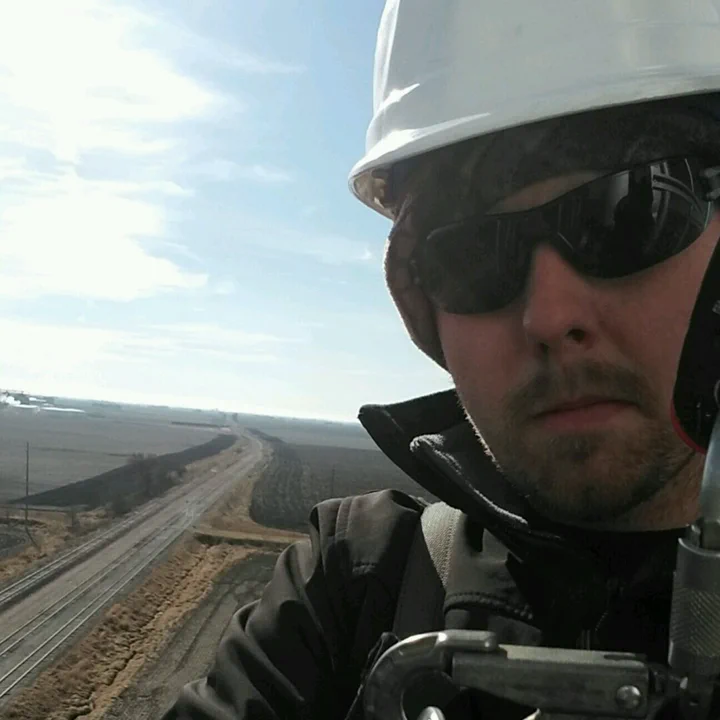
Kelly Zacrep is the CEO of Vertical Axis, based out of Minnesota, and we talk to her crews directly when projects are in motion. She knows our gear, knows our customers, and knows what a properly commissioned Nokia or Baicells site is supposed to look like at handoff.
Her take, in her own words:
“The Edge Mile sends us kits we can actually install without making three phone calls back to the manufacturer. When a Nokia AZQC kit shows up from them, we know what’s in the crate, we know it’s been bench-checked, and our crews can be cutting metal the next morning. That’s not normal in this industry, and it’s why we keep saying yes when they ask us to take on a build.”
— Kelly Zacrep, CEO, Vertical Axis
If something goes sideways on a Saturday, we don’t open a ticket. We text Kelly. The crew shows up.
Foundations, Steel, And RF Integration Under One Roof
Edge networks live or die on whether civil, structural, and RF work line up. Vertical Axis does all of it without subcontracting the parts that matter:
- Foundations and civil — drilled piers, mat foundations, equipment pads, and access roads sized to the actual structure, not a generic spec
- Tower erection for self-supports, monopoles, and guyed structures up to and beyond 600 feet
- Direct-embedment monopoles for sites that need to be on the air fast without a 90-day concrete cure
- Antenna and radio installation with proper azimuth, downtilt, and torque values verified against the RF plan
- Microwave backhaul including licensed Part 101 link installs and path alignment
- Grounding and cadwelding done to the spec that actually survives a lightning strike
- Maintenance, inspection, and emergency response on existing assets, including post-storm climbs
One number to call. One scope of work. One company on the hook for whether the site comes up clean.
Everybody Knows Everybody
Here’s a thing about edge infrastructure that nobody really says out loud. There aren’t ten thousand companies building this stuff. The same names show up on every project. That’s actually a feature, not a bug, when you’ve picked the right ones.
When a Vertical Axis crew rolls to a new site, the freight from us has already been routed through DNA Supply Chain for delivery to the build location — coordinated, customs cleared if it’s coming across a border, dropped where the crane can actually reach it. Kelly’s team and Christian’s team at DNA already talk to each other. We don’t have to play translator. The crate lands, the crew is there, the radios go up.
That’s the whole pitch. The kit, the freight, and the steel are on the same team, and that team is small enough that everybody actually picks up the phone.
What This Means For You
When you buy a kit from The Edge Mile, you’re not just buying hardware. You’re buying access to the network of people we’ve already vetted to put it in the ground correctly: Vertical Axis on the steel, DNA Supply Chain on the freight, and us on the gear and integration support. Three companies, one outcome: a site that comes up on time and stays up through the worst weather your county can throw at it.
If you’re planning a new tower site, a CBRS sector buildout, a microwave backhaul ring, or a full Nokia AZQC deployment, this is the construction partner we want on the other end of the call. Tell us what you’re building and we’ll pull them in.